Craft Fair Magic: Turning a Fairy Embroidery Design into Sellable Products
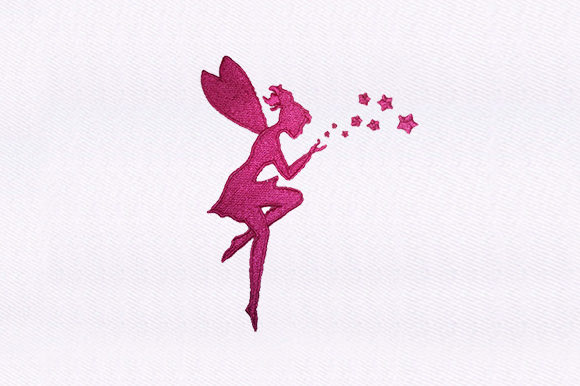
Every week, as a professional embroidery designer, I review dozens of files, judging their potential for my craft fair and handmade market products. Today, I'm looking at a design simply titled Fairy, and I'm thinking about how I'd use it to stock my booth for a weekend market. Let's walk through that real-world judgment, focusing on what sells, what looks good in person, and what is practical to produce.
First Impressions: The Mood of the Fairy Design
The name Fairy instantly suggests a whimsical, elegant, and soft aesthetic. In the crowded world of craft fairs, this isn't a bold or funny design; it's decorative and premium. It belongs in the Fairy Tales category, which tells me it will appeal to customers looking for something magical, delicate, and perhaps a bit nostalgic. This mood is crucial. On a table filled with rustic farmhouse towels and modern geometric patches, the Fairy will stand out as a piece of subtle fantasy. It will catch the eye of someone looking for a gift that feels special and handmade, not just utilitarian.
Where This Fairy Shines: Product Applications
My booth display typically includes embroidered tote bags, aprons, tea towels, patches, caps, small pouches, pillow covers, and various giftable items. I evaluate each design based on where it will perform best.
- Tote Bags & Market Bags: A Fairy embroidery design can become a beautiful focal point on a solid-colored tote. It feels gift-ready and elevates a simple bag into a statement piece.
- Pillow Covers: This is a prime candidate. An elegant fairy embroidered on a linen or cotton pillow cover creates a premium, boutique-style product that sells well.
- Small Pouches & Giftable Items: On a fabric pouch for jewelry or keepsakes, the design acts as a perfect accent, suggesting delicacy and care.
- Tea Towels & Aprons: Here, I'm cautious. While a fairy could be charming on a kitchen towel, the fabric texture of a towel and its practical use might clash with the delicate theme. It might work better on a decorative, not heavily used, apron.
- Embroidered Patches: This could be a strong seller. A fairy patch allows customers to add magic to their own items. However, the success depends entirely on the design's clarity at a smaller size.
- Caps: Embroidering on curved cap surfaces is tricky. A fairy with intricate details might lose integrity on that structure. It's worth a test, but not my first choice.
The absolute best chance to sell this machine embroidery design, in my experience, is as a featured element on a clean, high-quality pillow cover or a light-colored tote bag. These products showcase the design's elegance and justify a higher price point.
The Practical Production Checklist
Before I stitch anything for sale, I run through a mental list of production and selling points.
Design Clarity & Scale
How easy is the fairy to understand at a glance? Does it work as a small accent or does it need to be a large focal design? For online listings like Etsy, a clear, instantly recognizable motif photographs well. I must test this embroidery file at different sizes on scrap fabric to see if tiny details—like wings or facial features—remain crisp. If they vanish, I'll limit its use to larger items.
Batch Production & Photographability
Can I batch-produce twenty fairy pillow covers efficiently? I look at potential stitch density. Dense stitch areas can slow production and strain lighter fabrics. I also consider thread colors. A design with many color changes might be beautiful but less practical for batch production. For my Etsy seller listings and printable mockups, I need the design to pop against the fabric. Contrast is key. On dark fabric, a fairy might require careful thread selection or even a lighter fabric base.
Handmade Quality Perception
This design inherently suggests quality. When stitched neatly with the right stabilizer and on good fabric, it reinforces the handmade product value. It makes a customer feel they're buying art, not just an item. This boosts product value and supports brand consistency for a shop focusing on elegant, whimsical goods.
Critical Notes for a Successful Booth Display
At the craft fair itself, the fairy's visual appeal drives customer attention. A single, well-executed fairy tote bag displayed prominently can draw people into the booth. It creates a story. I would create at least one real, physical mockup to gauge this effect. Does it engage buyers? Does it invite questions? I'd also compare fabric colors—a fairy on a soft grey, cream, or pastel blue will likely attract more eyes than on a bright white.
The booth display strength comes from grouping fairy products together. A small collection of fairy-themed items (a pillow, a pouch, a patch) creates a cohesive, attractive section that tells customers, "Here is the magical, elegant corner of my shop."
Final Embroidery Designer Advice Before Selling
My professional process for any digital embroidery file, including this fairy, is strict:
- Always test the design on scrap fabric first, mimicking the final product's material.
- Check thread contrast thoroughly. Does it look luminous or muddy on your chosen color?
- Review spacing and density. Are there jump stitches that could snag on a tote bag?
- Confirm the hoop size needed. The product description lists many file formats (10O, ART, CND, DSB, DST, DSZ, EXP, HUS, JEF, PCS, PEC, PES, TAP, VIP, VP3, XXX), which is excellent for machine compatibility, but I must check the actual design dimensions within those files.
- Inspect stitch density on my machine. Running a test reveals if it's too thick for a tea towel or perfect for a pillow.
- Use the right stabilizer for the fabric. A delicate fairy on a linen pillow requires different support than on a canvas tote.
- Most importantly, create at least one real mockup as a finished product. This is the only way to truly judge its sellability.
- Finally, confirm commercial licensing before selling finished products. The description mentions it's a "lovely freebie," but I must read the specific terms to ensure I can legally use it for my small shop products and commercial embroidery.
By following these steps, I transform a simple machine embroidery design like Fairy into a reliable, attractive craft fair product. It becomes more than a file; it becomes a story on fabric that captures attention, feels valuable, and—most importantly—sells from my handmade booth.