Princess Embroidery Design: A Real-World Design Review
When an embroidery file lands on your desk, the first question isn’t usually about its technical specs. It’s about its soul. You look at it and ask: what feeling does it convey, and where does it belong? That’s exactly how I approached the Princess embroidery design. As someone who regularly stitches designs for client projects, small shop merchandise, and personalized gifts, my evaluation starts with the mood.
The Immediate Charm and Whimsical Mood
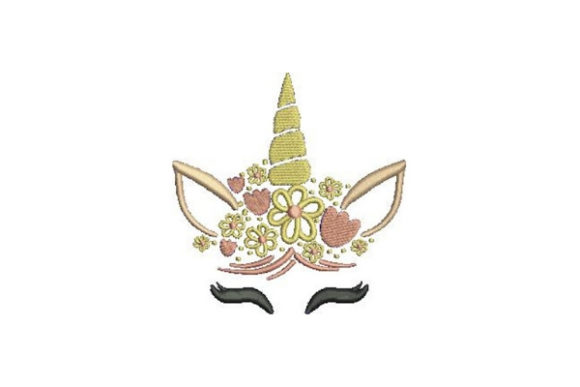
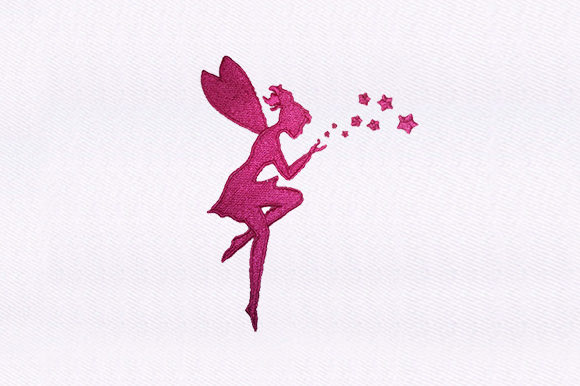
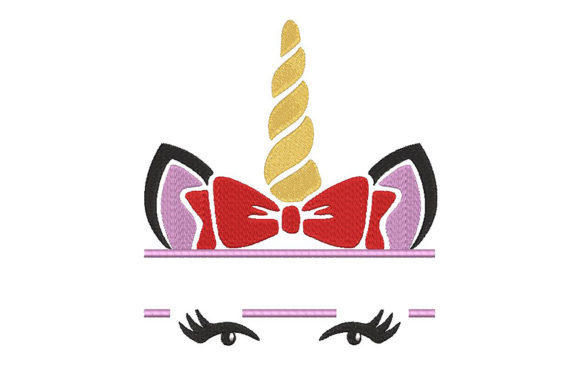
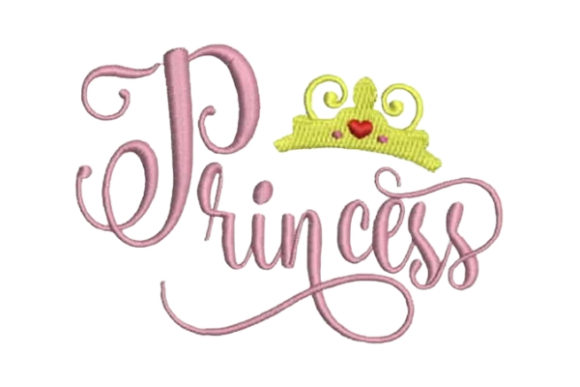
The Princess design immediately evokes a classic, fairy-tale whimsy. It’s not overly modern or minimalist; it leans into a recognizable, storybook elegance. This is its greatest strength for certain projects. The shape and layout suggest a design meant to be a focal point—a central character on a garment or decor item. The detail level feels balanced: it appears to have enough visual interest to stand out without looking overly dense, which is a crucial consideration for stitch clarity and fabric choice.
This visual personality naturally belongs to projects centered around celebration, childhood, and gift-giving. It’s the kind of design that makes a parent smile when they see it on a baby blanket or a child light up when it’s on their tote bag. For creative entrepreneurs, this emotional resonance is key. It translates directly into customer engagement and product value.
Where This Princess Reigns: Ideal Project Applications
Let’s walk through a real-life scenario. Imagine you’re preparing a custom gift for a newborn. You’ve selected a soft, cotton baby blanket. You’re looking for a design that feels special, timeless, and utterly charming. Princess fits this role perfectly. Stitched in a soft pink or even a delicate silver, it would become a cherished heirloom item.
Beyond nursery decor, this embroidery design has a broad appeal for handmade products. It would look stunning on:
- Apparel: The center of a child’s sweatshirt or the chest of a simple t-shirt.
- Tote bags: As a statement piece on a canvas bag for a young girl.
- Pillow covers: Adding a touch of fairy-tale magic to a bedroom.
- Aprons or tea towels: For a whimsical, boutique-style kitchen product.
- Embroidered patches: Applied to a jacket or backpack for personalized flair.
For Etsy sellers and small business owners, this versatility is gold. One digital embroidery file can become the foundation for multiple product listings—from holiday gifts to everyday boutique merchandise. It enhances brand consistency if your shop leans into classic, feminine, or celebratory themes.
Practical Considerations for Stitching Success
While the description says it will look stunning on any kind of fabric, an experienced designer knows that’s a starting point, not a guarantee. Your job is to match the design’s characteristics with the right project. Here’s how I’d think through its real-world performance.
First, consider stitch density and small details. Based on its visual complexity, you should test the design on scrap fabric first. This is non-negotiable. Use the same fabric and stabilizer you plan for the final product. This test will reveal how cleanly the finer elements stitch out, especially if there are delicate accents or tiny areas.
For textured or stretchy fabrics like some sweaters or knits, you’ll need robust stabilizer to maintain the design’s shape. On dark fabric, thread color contrast becomes paramount. A light, satin stitch detail might need a bold thread choice to pop. Always check thread color contrast in your digital preview software and consider stitching a small sample on a dark scrap.
Navigating Tricky Surfaces and Commercial Use
Some applications require extra thought. On curved surfaces like caps, the design’s overall shape and size need to be compatible with the cap’s curvature. A very wide or rigid layout might not adapt well.
For products that need frequent washing, like baby clothes or kitchen towels, you must ensure the stitch density is appropriate. Overly dense fill stitches on thin fabric can pucker or weaken the material after many washes. Your test stitch will tell you.
A critical note for all makers, especially those selling finished products or digital product previews: always confirm the licensing before using a design for commercial projects. The description mentions it comes in multiple file formats and is compatible, but you must verify the license terms for selling embroidered items or including it in your digital asset offerings. This protects your craft business and customer trust.
Boosting Professionalism and Giftability
From a professional standpoint, a well-executed Princess embroidery elevates a product. It shows care and intention. On a custom apparel item, it transforms a plain garment into a personalized gift. On a handmade product in your Etsy shop, it increases the perceived value and craftsmanship.
Its recognizable fairy-tale theme also aids in buyer engagement. Customers know instantly what it represents, which helps in marketing and product photography. For printable mockups and online listings, this clear, appealing visual is a strong asset.
Ultimately, the Princess design is a versatile, mood-setting file. Its success hinges on your practical application: choosing the right hoop size, fabric, stabilizer, and thread. It’s not a one-size-fits-all solution, but with thoughtful testing and project matching, it can become a reliable and beloved asset in your embroidery project library, creating products that feel both professional and full of storybook charm.